

Long-Term USDT Investment Guide: Why Stablecoin Strategies Are Surging in 2025
1. What Makes USDT a Strong Long-Term Investment Option?
USDT is a stablecoin pegged to the US dollar, designed to maintain a 1:1 value with USD. Unlike Bitcoin or Ethereum, which experience large price swings, USDT remains stable — making it ideal for long-term capital preservation and predictable income strategies.
Long-term USDT investment is built on three major advantages:
Low volatility
High liquidity
Reliable returns through staking and savings products
These qualities have made USDT one of the most trusted digital assets globally.
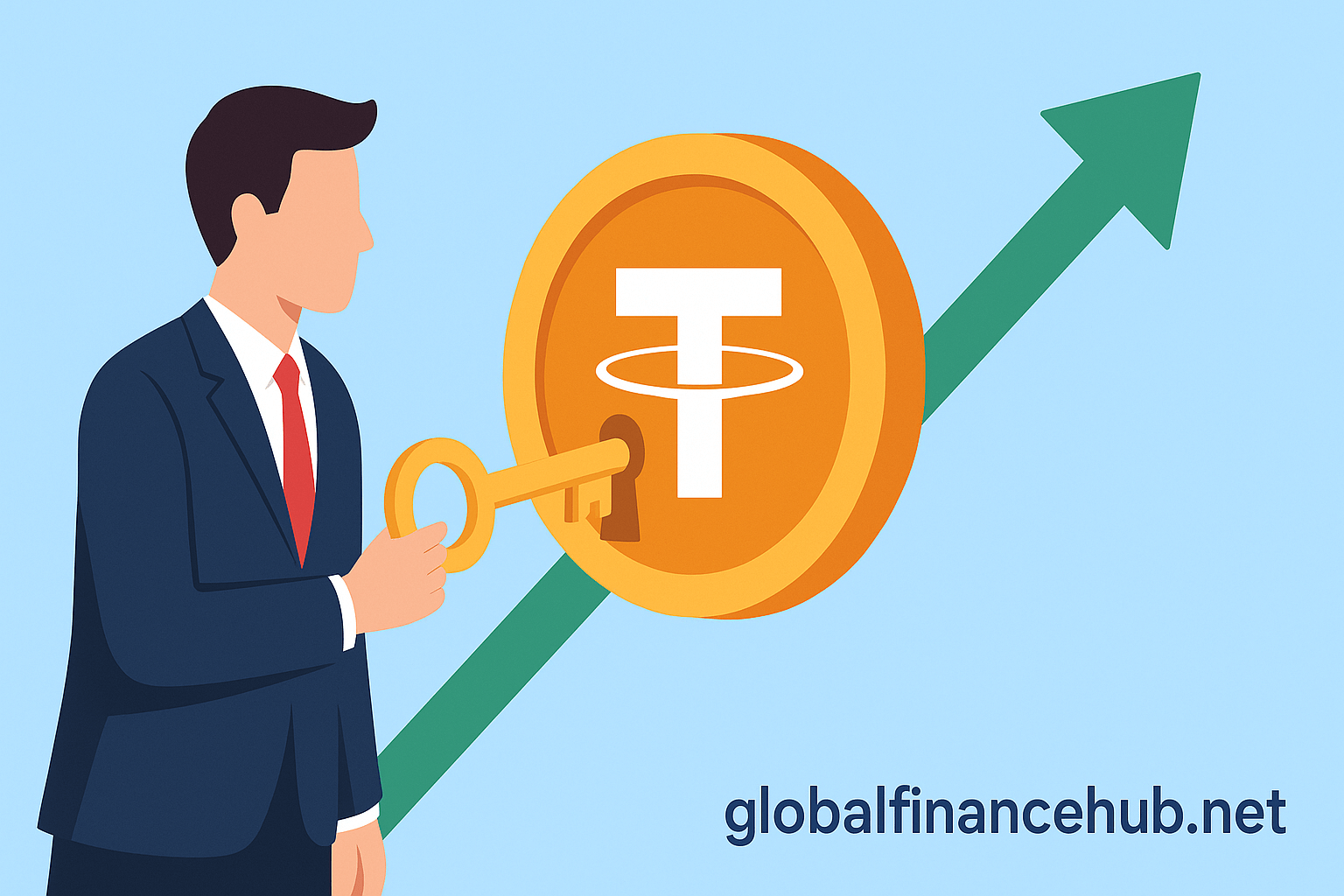
2. Benefits of Holding USDT for the Long Term
(1) Protection Against Crypto Volatility
Holding USDT allows investors to stay in the crypto market without being exposed to massive price fluctuations. It acts as a “safe zone” during bear markets.
(2) Consistent Passive Income Opportunities
Many platforms offer USDT yields from 5% to 15% annually, depending on the product type and lock duration.
(3) High Liquidity for Immediate Reinvestment
USDT can be instantly used to buy other digital assets, making it a powerful tool for strategic long-term planning.
(4) Global Accessibility
USDT works across multiple blockchains and is accepted by most exchanges worldwide, providing investors with unmatched flexibility.
3. Popular Long-Term USDT Investment Methods
1. Centralized Exchange Savings (CeFi)
Platforms like Binance, OKX, Bybit, and Coinbase offer fixed and flexible USDT savings products.
Pros:
✔ Low risk
✔ Easy to use
✔ Transparent APY
2. USDT Staking in DeFi Platforms
Protocols such as Aave, MakerDAO, or Curve provide higher yields compared to centralized exchanges.
Pros:
✔ Higher potential returns
✔ Decentralized and transparent
Cons:
⚠ Requires understanding of smart contract risks
3. Dollar-Cost Averaging (DCA) With USDT
Some investors accumulate USDT regularly over time, using it for:
Portfolio balancing
Safe re-entry into major assets
Long-term capital storage
4. Using USDT for Cross-Market Arbitrage
Professional investors leverage price differences across exchanges to generate consistent returns.
4. Risks to Consider in Long-Term USDT Investment
Despite its stability, investors should still evaluate potential risks:
Platform Risk — Not all exchanges or DeFi pools are safe.
Smart Contract Risk — Relevant in decentralized protocols.
Regulatory Changes — Global stablecoin policies are evolving.
High-Yield Traps — Unrealistic returns often signal hidden danger.
A balanced, diversified approach is recommended.
5. The Future Outlook: Why USDT Will Remain a Core Long-Term Asset
In 2025 and beyond, USDT is expected to maintain strong market dominance due to:
Growing adoption in global payments
Strong demand from traders and institutions
Increasing stability and transparency from stablecoin issuers
As digital finance continues to evolve, USDT will remain a key pillar of long-term crypto asset management.
Footer (Optional)
Published by Global Finance Hub — Your trusted source for global digital finance insights.

 download
 download
 website